7 Astonishing Tulip Facts That Will Change Your Perspective
Posted on 17/06/2025
7 Astonishing Tulip Facts That Will Change Your Perspective
Tulips are beloved worldwide for their vibrant colors and elegant shapes, but there's far more to these flowers than meets the eye. From their surprising origins to their impact on history and culture, tulips have captivated humans for centuries. In this comprehensive article, we'll uncover 7 astonishing tulip facts that will not only pique your curiosity but also deepen your appreciation for these iconic blooms.
1. Tulips Were Once Worth More Than Gold
When discussing astonishing tulip facts, it's impossible to overlook the infamous period in the 17th century known as Tulip Mania. During this time, particularly in the Netherlands, tulips became a symbol of wealth and status.
- Some rare tulip bulbs were sold for more than the cost of a house!
- Speculators and traders would invest entire fortunes in tulip bulbs, hoping their value would rise even higher.
- The economic bubble peaked in 1637, resulting in massive financial losses when the market suddenly collapsed.
Tulip Mania is still used today as a cautionary tale about speculative markets and economic bubbles.
The Legacy of Tulip Mania
This extraordinary period left a lasting mark on both economic history and the collective consciousness. The story demonstrates just how much value societies can assign to something as simple and beautiful as a flower!
2. Tulips Are Native to the Wild Landscapes of Central Asia
Most people associate tulips with the Netherlands, but these flowers didn't originally grow in Dutch soil. The true origins of the tulip trace back to the rugged heartlands of Central Asia, particularly modern-day Kazakhstan, Iran, Afghanistan, and surrounding regions.
- Wild tulips still bloom in the mountains and steppes of Central Asia every spring, painting the landscape with natural beauty.
- From Central Asia, tulips were cultivated and appreciated in Persia and the Ottoman Empire before making their journey to Europe.
- The word "tulip" comes from the Persian word "dulband," meaning turban, because the flower was thought to resemble this traditional headwear.
How Tulips Traveled to the West
In the 16th century, tulip bulbs were sent from Istanbul to Vienna and then distributed across Europe, particularly in the Netherlands, where their cultivation gave rise to the breathtaking colorful tulip fields we adore today.
3. The Netherlands: Not the Tulip's Birthplace, But Its Second Home
While the Netherlands is synonymous with tulips, it is not the flower's original homeland. However, the Dutch have elevated tulip cultivation to an art form:
- The country exports more than 2 billion tulip bulbs each year, making it the world leader in commercial tulip production.
- The city of Lisse is home to Keukenhof, one of the world's largest and most beautiful flower gardens, which showcases over 7 million tulips every spring.
- The annual Tulip Festival transforms Dutch towns into vibrant seas of color, attracting millions of visitors from around the globe.
The iconic images of endless tulip fields and picturesque windmills have become symbols of Dutch national identity--even though the flowers themselves have a much longer and broader history!
Why Are Tulips So Important to the Dutch?
Tulips played a crucial role in shaping the Dutch economy, especially during the "Golden Age." Today, they remain a major export and a vital part of the Netherlands' cultural tourism industry.
4. Tulips Come in Nearly Every Color Imaginable
One of the most astonishing facts about tulips is their incredible diversity. With over 3,000 registered varieties and countless hybrids, tulips are available in nearly every shade except true blue.
- Red, yellow, pink, white, purple, and even black tulips (deep, velvety purple varieties) can be found.
- Thanks to hybridization, blooms can feature complex patterns, such as fringed petals, multi-colored stripes, and even peony-like flowers.
- Tulip petals can change color as they age or in response to changes in temperature and sunlight!
Fun Fact: The rarest and most coveted tulips during Tulip Mania featured dramatic flame-like patterns, caused by a virus known as the "tulip breaking" virus, which inspired unforgettable works of art and feverish demand.
The Meaning Behind Tulip Colors
Tulip colors often carry symbolic weight:
- Red tulips symbolize true love.
- Yellow tulips represent cheerful thoughts or hope.
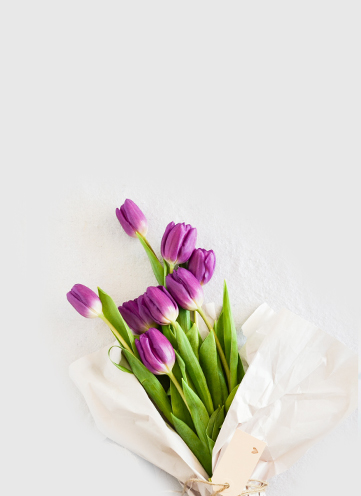
- Purple tulips are associated with royalty and elegance.
- White tulips represent forgiveness and purity.
These meanings make tulip bouquets thoughtful and personalized gifts for any occasion.
5. Tulip Flowers Are Edible!
An extraordinary yet little-known tulip fact is that certain parts of the flower are actually edible!
- During World War II's "Hunger Winter," the Dutch were forced to eat tulip bulbs to survive famine.
- Tulip petals can be used in salads, as garnishes, or even in desserts. They have a slightly sweet, mild flavor.
- Not all tulip bulbs are safe to eat; only bulbs grown for human consumption should be used, as some can cause stomach upset.
If you're curious about tasting tulip petals, always ensure they are chemical-free and untainted by pesticides.
Beyond the Kitchen: Other Uses for Tulip Bulbs
Tulip bulbs have also been used historically for medicinal purposes, but always consult an expert before using any plants for such means!
6. Tulips Have Inspired Art, Literature, and Fashion
The tulip's beauty and unique shape have made it an enduring muse for artists, writers, and designers:
- Ottoman Empire ceramics and textiles frequently featured stylized tulip motifs as symbols of abundance and paradise.
- During the Dutch Golden Age, still life paintings with opulent bouquets--centered around tulips--reflected both botanical curiosity and social status.
- Modern fashion houses and interior designers draw on tulip colors and forms to create elegant, nature-inspired designs.
Tulips continue to captivate contemporary artists and are celebrated annually in festivals, exhibitions, and public installations worldwide.
Tulips in Poetry and Symbolism
Beyond visual art, the tulip is a recurring symbol in poetry from Persia, Turkey, and Europe, often representing love, beauty, and the fleeting nature of life.
7. Tulips Are Environmental Superheroes
Among the most inspiring tulip facts is the flower's beneficial effect on our environment and pollinators:
- Tulips attract a wide range of pollinators, including bees and butterflies, which are essential for healthy ecosystems.
- Their early spring bloom provides vital food after a long winter, supporting pollinator populations at a critical time.
- Tulip cultivation can help maintain open landscapes and meadows, which are increasingly rare in many parts of Europe.
By growing tulips in your garden, you can contribute to local biodiversity and enjoy a stunning natural display each spring!
Sustainable Tulip Cultivation
Modern growers are developing eco-friendly methods to minimize chemical use and reduce environmental impacts. Choosing organic tulip bulbs supports sustainable agriculture and pollinator-friendly gardens.
Conclusion: The Enduring Allure of Tulips
Tulips are so much more than just beautiful flowers. Their history, versatility, and profound impact on societies make them endlessly fascinating. Whether you're marveling at their role in economic history, their miraculous range of colors, or their surprising edibility, these astonishing tulip facts are sure to change your perspective the next time you see a tulip in bloom.
- Embrace the wonder of tulips by planting them in your garden, enjoying their artistry, and sharing their remarkable story with others.
Which tulip fact surprised you the most? Share your thoughts and join the conversation about these enchanting flowers below!